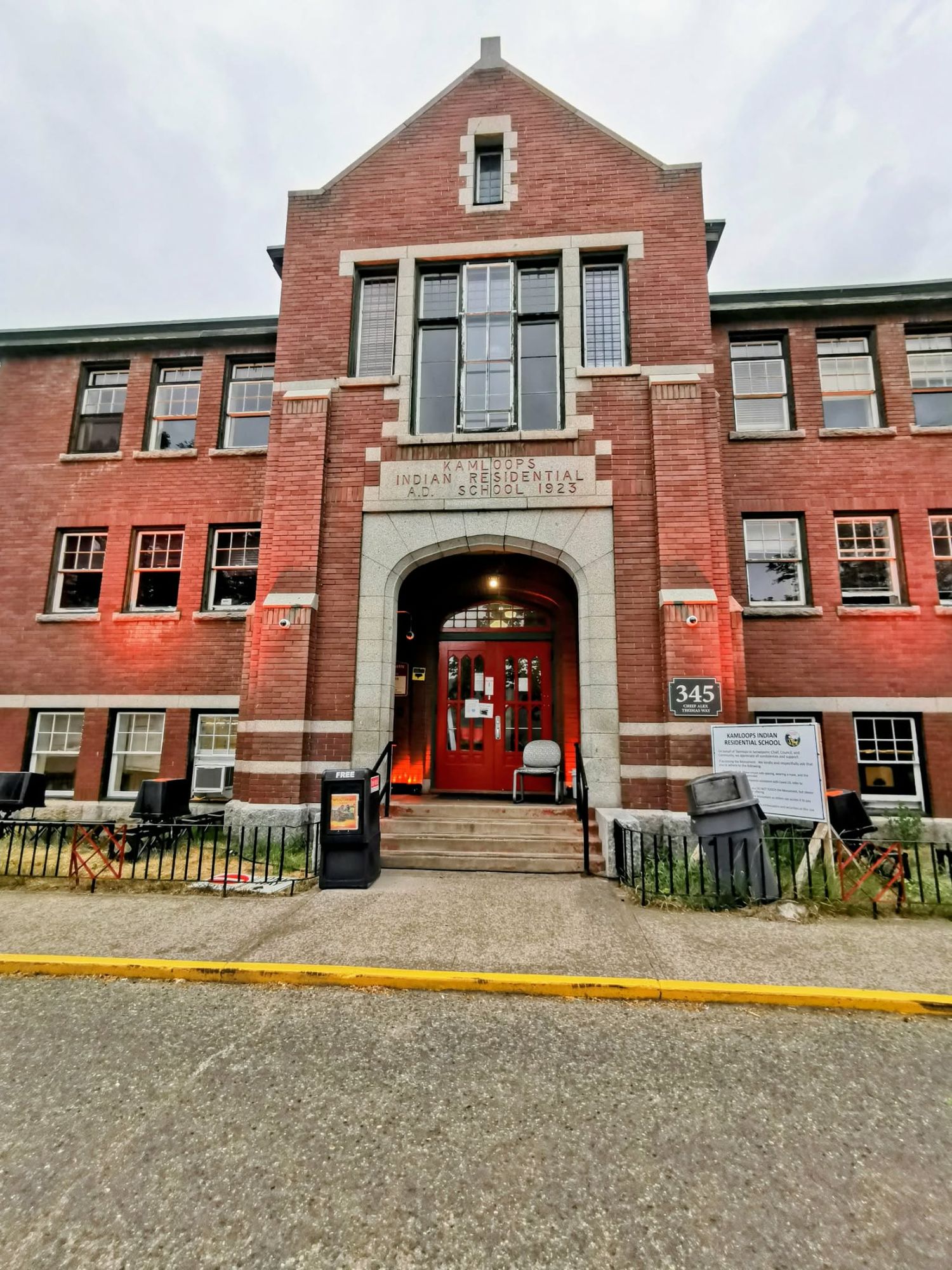
My heart trembled in my chest as I quietly observed the endless flowers, stuffed animals, and little shoes gathered beneath a tree.
I felt like a stranger. Someone who didn't belong there. Someone who shouldn't be there.
It was June 19, 2021, just a few short weeks after the discovery of the unmarked graves at the former residential school site in Kamloops, British Columbia.
My husband and I, along with my sister, her husband, and my little niece, were headed to the island to visit my mother. But before we continued on our way, I asked if we could stop. I wanted to pay my respects.
But if I'm honest, I wasn't entirely sure why I felt compelled to stop.
I grew up in rural Northern Alberta, and racism toward Indigenous people was woven into the landscape of my childhood. I didn't understand it as racism then. I didn't understand much of anything.
I learned about bannock and pemmican in school. I learned about teepees and the First Peoples. But somehow, I came away believing Indigenous people belonged to history rather than the present.
I had Indigenous friends growing up. I didn't even know they were supposed to be different from me. I remember a boy named Cody from high school. He was more than six feet tall, and I had a soft spot for him. My friends called him “Big Indian." I never questioned it.
I was sheltered. Naive. And I had been taught a watered-down version of the truth. I never thought to question it.
Until I did.
We left Kamloops in quiet cars. I cried softly, trying not to make a scene, but something else was growing inside me too.
Rage.
Not the kind that burns hot and disappears.
The kind that changes something.
There had been injustice happening around me my entire life, and I had been largely unaware of it.
Now I knew. And once you know, you cannot unknow.
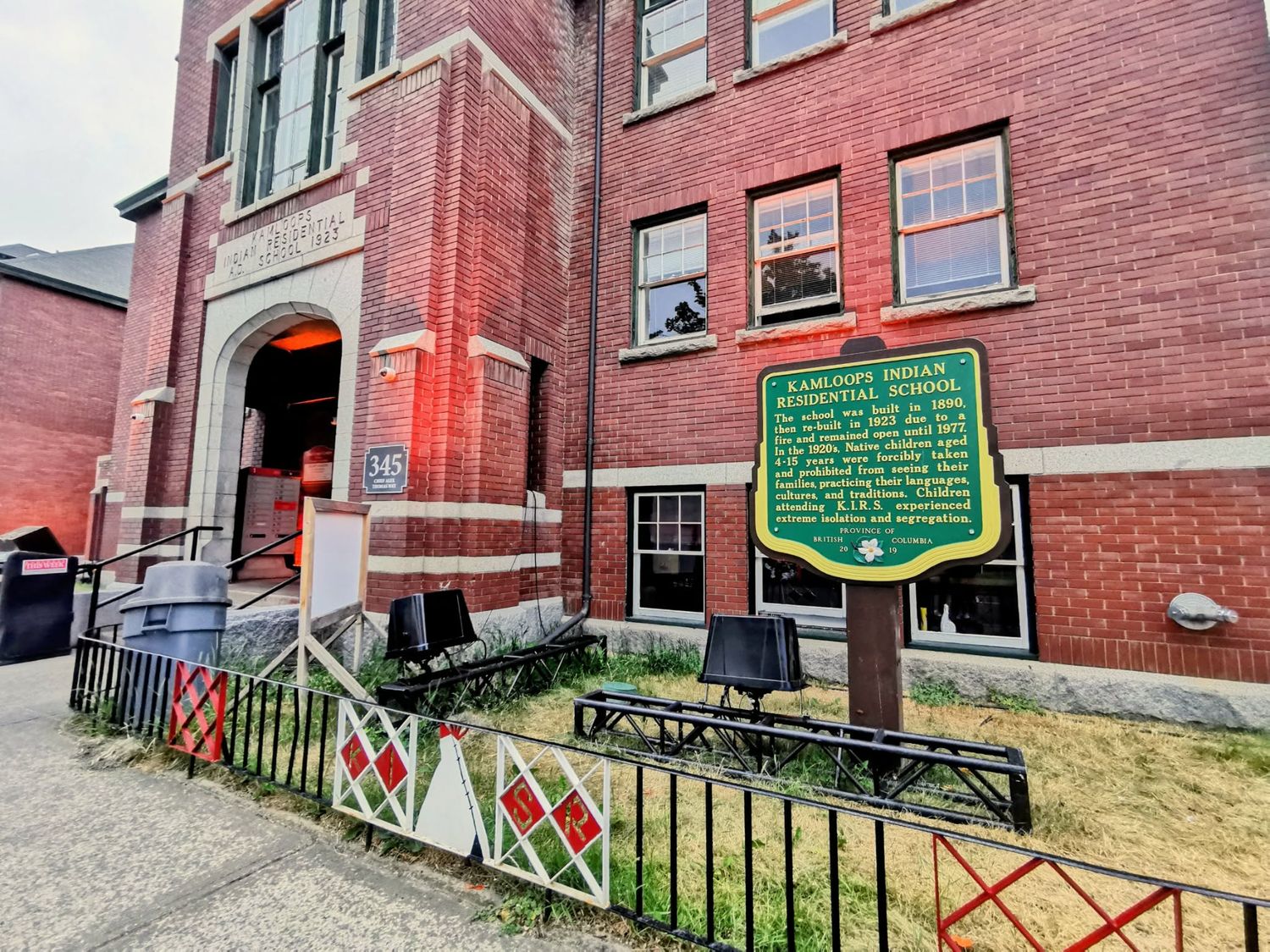
So I felt I had to do something. Anything.
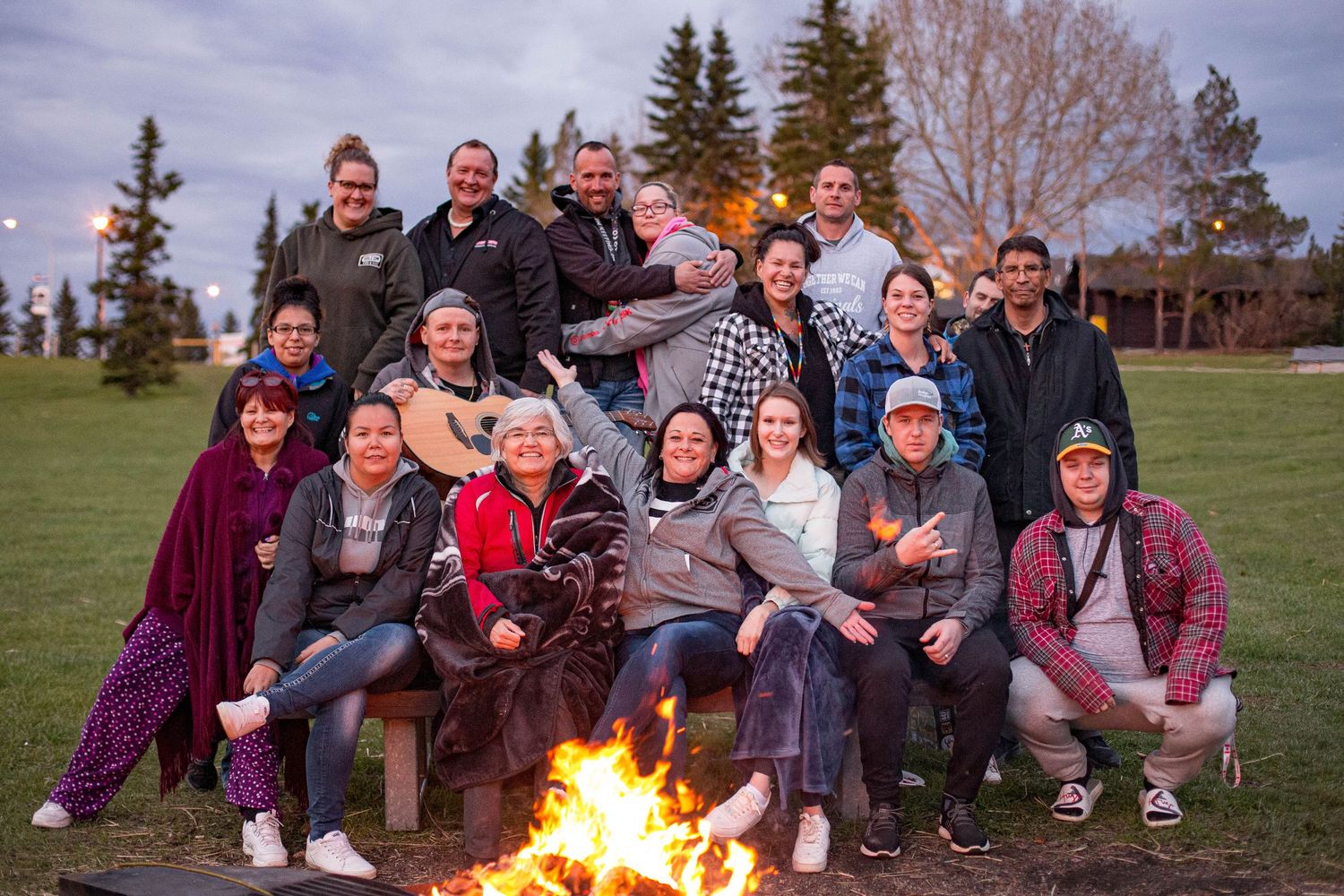
At the time, I worked for a Christian organization that operated a six-month residential recovery program. Indigenous people made up roughly 40 percent of our participants, and because people lived together for months, relationships formed.
I got to know people.
Some became friends. Some remain friends to this day.
That summer, our organization partnered with a Nation in Northern Alberta. During a meeting with community leaders and Indigenous participants in our program, the Chief asked a simple question:
“Is there anything you don't like about this program?”
Silence.
Then a quiet Indigenous woman spoke.
Her voice trembled. Her eyes filled with tears.
“It’s so white here. They don’t understand us. I miss home, and my people.”
I have never forgotten those words.
We wanted to be a bridge.
But we would never be home.
We could listen. We could learn. We could make space.
But we could never fully understand what it meant to grow up within her community, among her people, carrying a history that people like me had been taught to overlook.
There was nothing to defend.
She was telling us what her experience was.
And the only thing I could do was listen.
Something uncomfortable happened to me after that.
I started looking at my own hands differently.
White hands.
Privileged hands.
Hands that hadn't chosen any of those things, but hands that belonged to a history capable of extraordinary harm.
I felt ashamed.
But eventually I realized something important:
Shame wasn't going to help anyone.
I didn't choose the colour of my skin. I didn't choose the history I was born into. I didn't choose to grow up in a Christian home.
But I could choose what I did with what I had been given.
That was the beginning of something for me.
Not an ending.
A beginning.
That fall, I convinced my superiors to host a reconciliation gathering between local churches, Indigenous communities, and our organization.
I imagined it as a meaningful response from a Christian organization that genuinely cared about Indigenous people.
I began reaching out to churches. And when I say I asked them to participate, I mostly asked them to simply show up.
Crickets.
Some people responded with compassion. Others responded with the familiar refrain:
It's not our responsibility.
The meeting happened anyway.
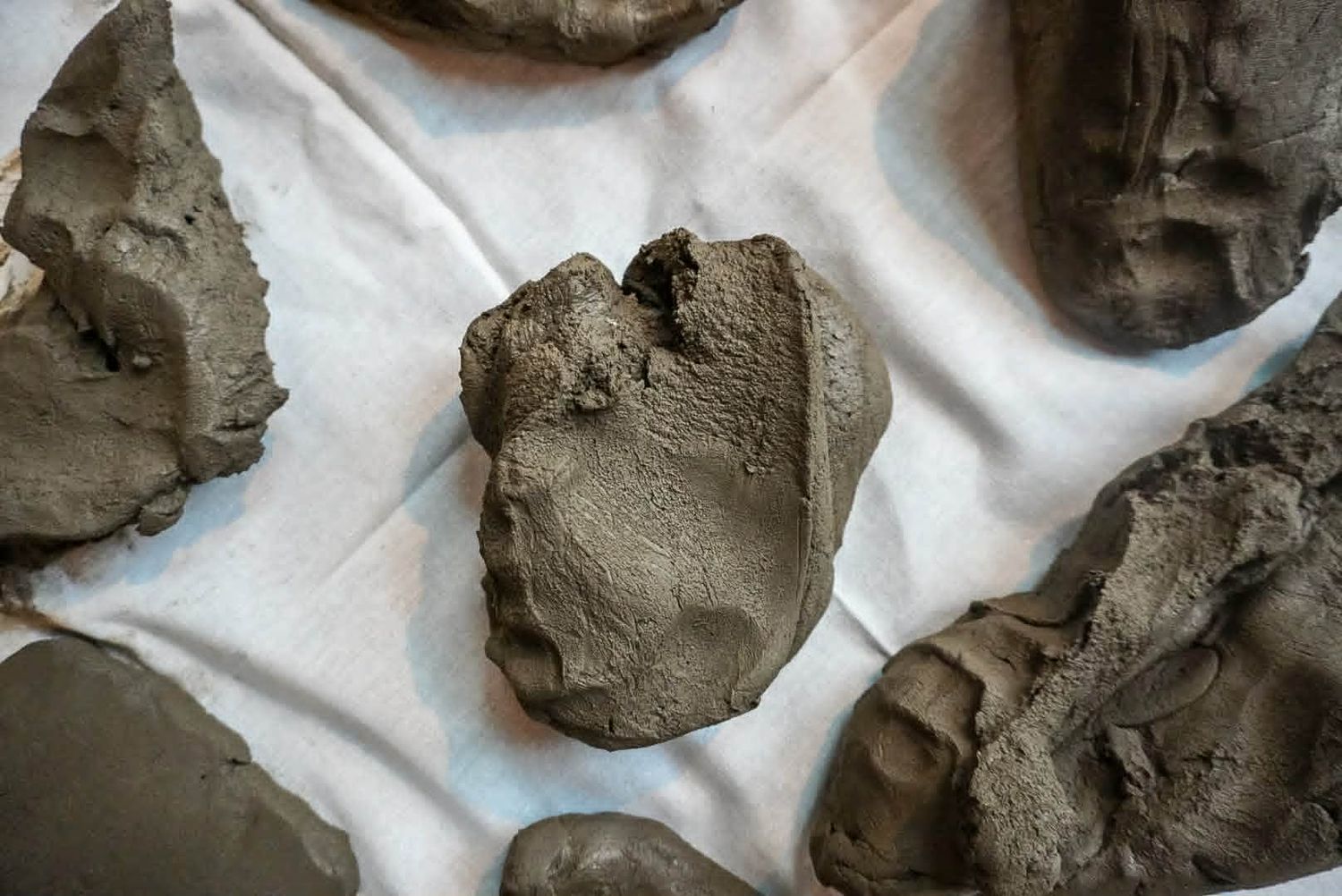
I prepared for it carefully. I made tobacco pouches alongside an Indigenous man in our program. I learned how to prepare them properly and wrapped each one in prayer.
I wanted to show up well.
And then came the contradiction I couldn't shake.
Within our organization, Indigenous spiritual practices such as smudging were viewed by some as pagan rituals.
Eventually, a policy was created stating that smudging could not take place on our property. It had to happen across the street in a park.
The painful part?
I helped write our policies.
My colleague and I eventually challenged that policy with a letter to the board.
It fell on deaf ears.
Another colleague fired racist and hurtful comments across the table to me while airing his displeasure with the thought of not just smudging, but Indigenous traditions in general. Witchcraft. Idolatry. Paganistic. Satanic worship. Believe me, I've heard it all.
That became a thorn in my side.
Because reconciliation is easy to talk about when it is an idea.
It is much harder when it asks you to look at your own institution and say:
This isn't right.
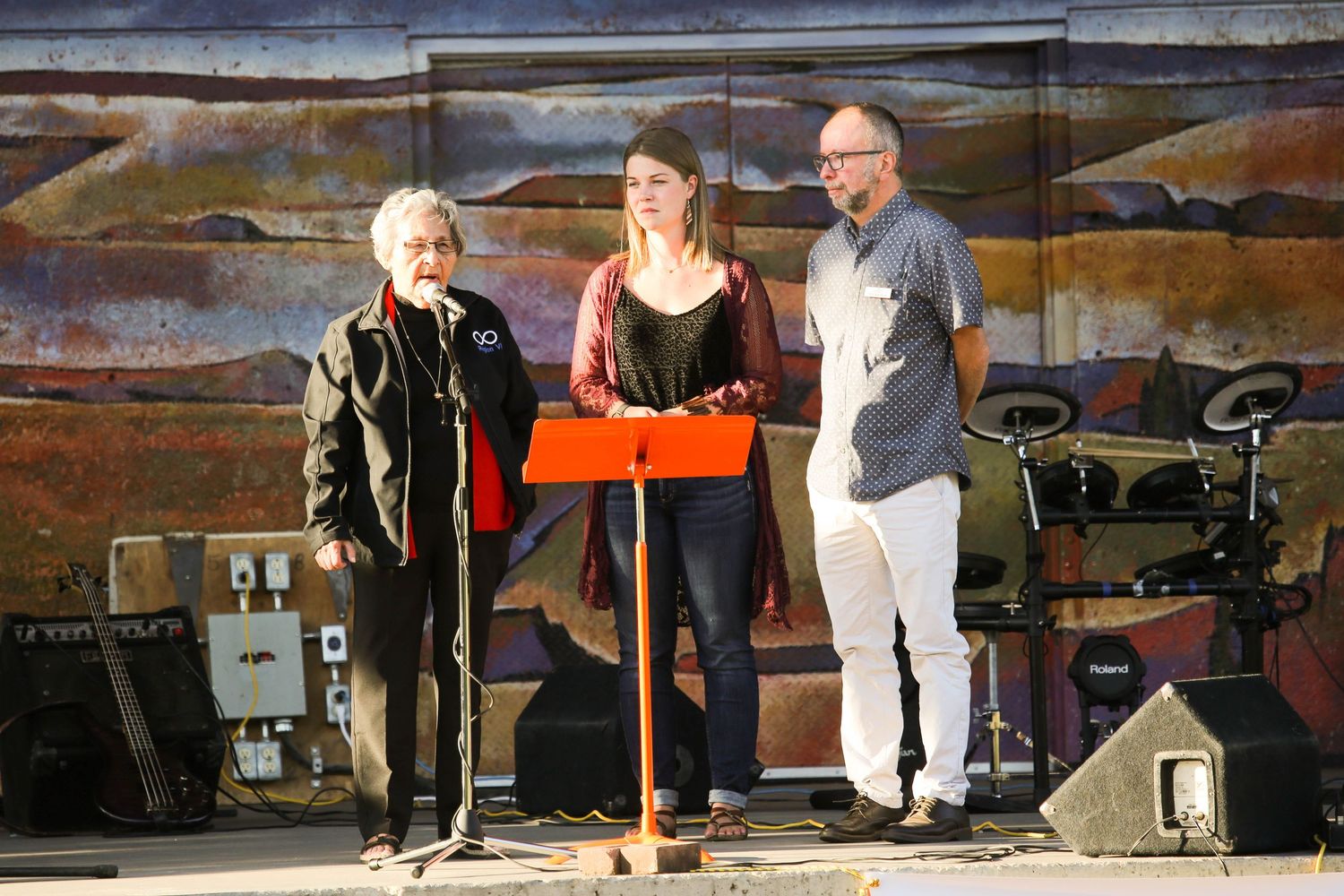
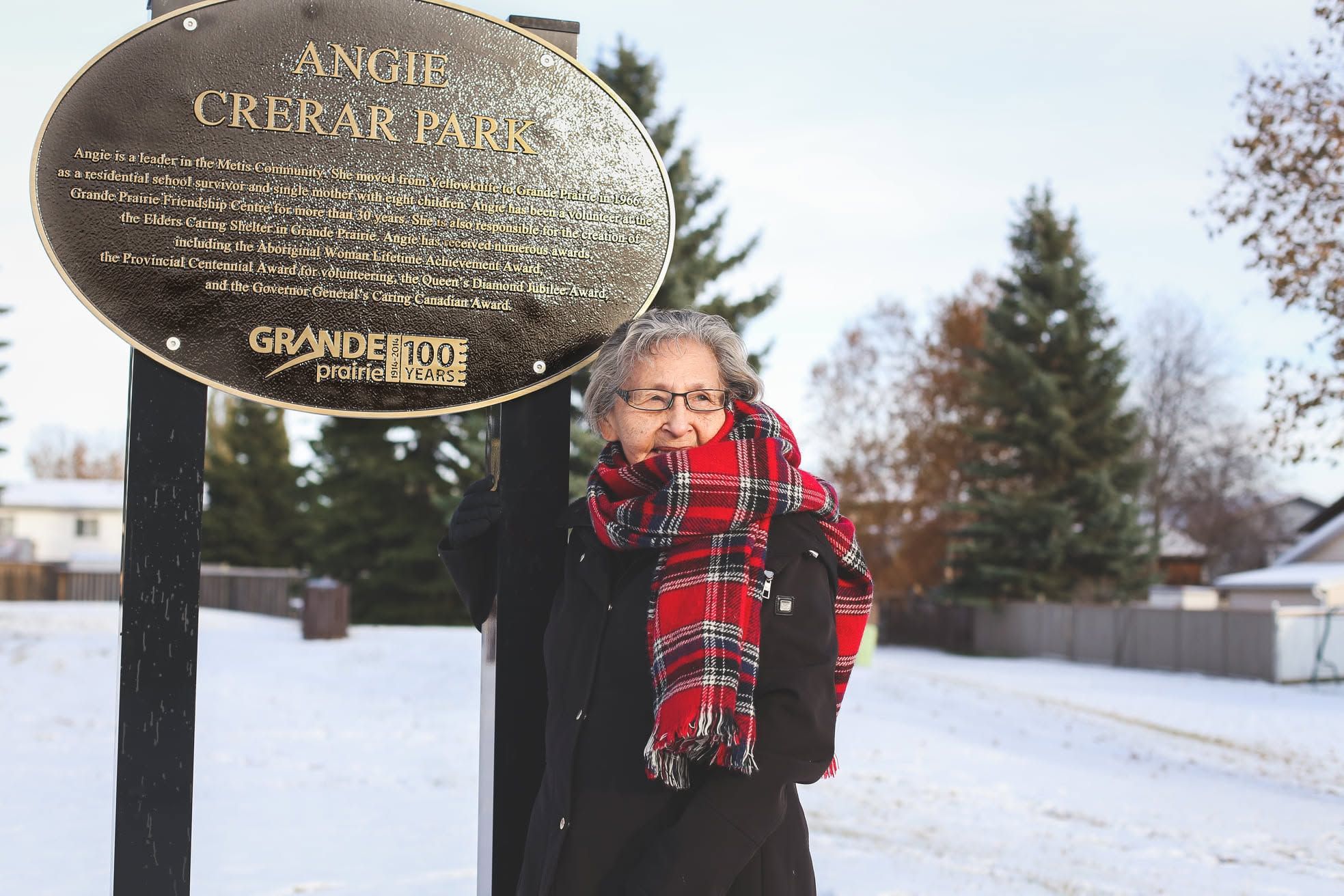
An Elder named Angie Crerar blessed our gathering.
She was 85 years old then. Frail, but fierce.
She was a strong Métis advocate in the community and a residential school survivor. She had lived through things I could never fully comprehend.
And yet, when I sat near her, I felt strangely at home.
She reminded me of Grandmother Willow from Pocahontas.
A modern-day sage.
I wanted to sit at her feet and learn.
She had the kindest eyes I had ever seen.
Angie passed peacefully on January 9, 2026, at the age of 89.
I am grateful I got to meet her.
In the years that followed the discoveries in Kamloops, more people began seeking out education about residential schools.
But there was something I came to understand that I think is easy for those of us outside these communities to forget:
Just because we are finally ready to listen doesn't mean someone else is ready to speak.
For generations, people had carried these stories quietly.
Some had been met with disbelief.
Some with indifference.
Some with outright cruelty.
And then, suddenly, the world wanted to know.
I watched people navigate that. People get retraumatized by that.
I tried to learn without demanding their stories from them.
I attended events. I watched interviews. I read. I listened.
And I tried to remember that reconciliation cannot mean asking Indigenous people to repeatedly reopen their wounds so that the rest of us can become educated.
Sometimes reconciliation means learning without asking someone else to teach you.
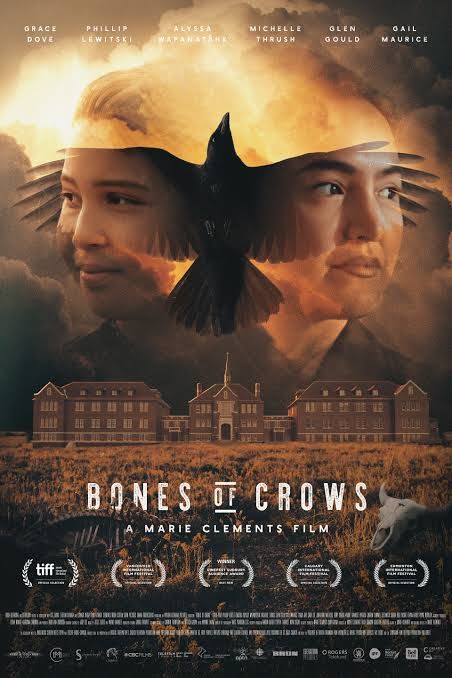
In the fall of 2022, a few colleagues and I went to see Bones of Crows.
We weren't there for entertainment.
We were there to learn.
There were only a handful of people in the theatre, including several Indigenous people.
Again, I felt like I didn't belong.
There were moments in that film that were difficult to watch.
At one point, an older Indigenous man stood up and shouted that he had already lived through this once and wasn't going to do it again.
Then he walked out.
I understood.
If I were a survivor of sexual abuse and had to watch a scene depicting sexual abuse, I might have done the same thing.
When the movie ended, we sat quietly for a while.
No one rushed to leave.
Eventually, we stood and began walking toward the exit.
And that's when I saw her.
An older Indigenous woman with hair like starlight.
Her eyes were kind.
Wise.
Eyes that looked as though they had been forged by a life of pain and somehow turned into purpose.
I didn't know how to meet her gaze.
Should I smile?
Would she think I was dismissive?
Should I look compassionate?
Would that feel like pity?
Should I look away?
Would that feel worse?
So I dropped my eyes.
And as I passed her, she whispered:
“Thank you for coming.”
I froze in place, then I looked up.
Our eyes met. She was a woman likely in her late 70's. If that were the case, she likely related to much of the film.
I took her hand in mine.
I wanted to hug her, but that somehow felt like too much.
So I simply held her hands.
And whispered:
“I'm so sorry.”
That was all I could get out.
Then I walked into the hallway and broke down in quiet, stifled sobs.
I think about that woman sometimes.
I think about Angie.
I think about Big Indian.
I think about the woman who told us, “It's so white here.”
I think about the tobacco pouches.
The smudging policy.
The little shoes beneath the tree in Kamloops.
And I think about how long I lived without knowing.
There was a time when I believed that learning the truth meant feeling ashamed.
Now I think it means something else.
It means taking responsibility for what I do with the truth once I have it.
I cannot undo the history I was born into.
I cannot speak for Indigenous people.
I cannot erase what happened.
And I cannot make reconciliation happen simply because I want it to.
But I can listen.
I can learn.
I can challenge the places where I see harm.
I can show up.
I can make room.
And I can refuse to look away.
Because once you know, you cannot unknow.
And perhaps that is where reconciliation begins.